Over 200,000 Afghans expelled in 5 months
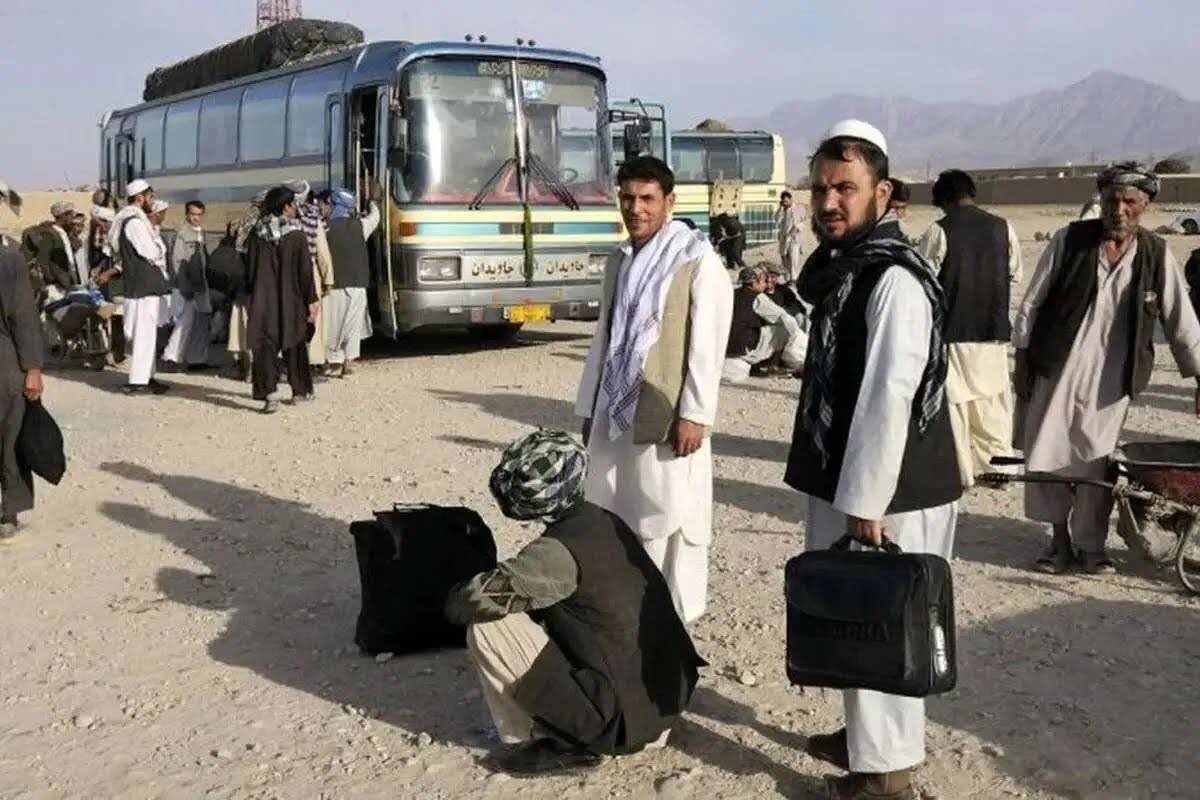
TEHRAN – More than 200,000 illegal Afghan refugees have been deported from Iran since the beginning of the current Iranian year (March 21).
Out of 4.8 million Afghan refugees residing in the country, about 2.8 million are undocumented, ISNA quoted Nader Yar-Ahmadi, the head of the National Organization for Migration, as saying.
Unauthorized refugees have no right to receive any facilities in Iran; they are the individuals who have committed the crime of illegal entry, so will be expelled as a punitive measure, the official added.
Iran at forefront of providing support to refugees
Over the past four decades, Iran has been one of the top countries hosting the largest number of refugees and migrants, despite many challenges facing the country.
The majority of these refugees are from Afghanistan who have fled from their home country due to wars, insecurity, poverty, and crises.
In 2023, the global number of international migrants was approximately 304 million, with 83 million of them living in internal displacement.
According to the United Nations High Commissioner for Refugees (UNHCR), Iran is host to some 773,000 refugees holding Amayesh cards, and over 2.7 million in a refugee-like situation. The total number of refugees has turned Iran into the second-largest host of refugees. Hosting more than 3.5 million refugees, Iran is an important part of this global picture and one of the key players in managing the migration crisis.
Surprisingly, field reports and unofficial statistics claim that seven million Afghans are residing in the country, four million of whom are undocumented.
International institutions such as the International Organization for Migration (IOM) have always lauded Iran for the provision of different kinds of services, including health and education, to the refugees. Afghan children, along with Iranian students, are studying in the same schools without paying extra tuition, while in other countries, refugees are facing serious limitations in benefiting from treatment and education services.
Dhananjaya Bhattarai, the head of the Office of the United Nations High Commissioner for Refugees in Holy Mashhad, has commended Iran’s generosity in hosting refugees and treating them with dignity.
Most of the Afghan refugees in Iran are living in villages and cities, and they are in constant interaction with host communities.
Iran, in cooperation with international organizations, has tried to help refugees access livelihood opportunities, vocational training, and collaborations with nongovernmental organizations; this approach has transformed migrants from a passive population into an active part of society.
However, Iran is facing severe challenges as the international community has provided less than a third of the funding needed to address the humanitarian needs of refugees.
With the beginning of the current Iranian year, which started on March 21, the government adopted the new policy to organize refugees to dispatch unauthorized migrants.
In the first nine months of 2025, more than 1.7 million Afghan refugees have returned from Iran to Afghanistan, the UNHCR reported in a press release on October 27.
Even at the borders, a wide range of services are being offered to refugees, particularly in eastern South Khorasan, northeastern Khorasan Razavi, and southeastern Sistan-Baluchestan provinces.
The services include the establishment of health camps, the screening of communicable diseases, and the provision of safe water and sanitation, according to the health ministry’s website.
The health ministry has established permanent and temporary camps to do screening and provide medical services such as injections, serum therapy, as well as treating acute patients.
MT/MG
Leave a Comment